
Lexus ES is a striking alternative to traditional German mainstream saloons, but it’s slow and dull to drive. Carwow gives it a 6/10 for its comfort and quality, while noting the CVT gearbox is unpleasant at times and the car lacks the wow factor of rivals .
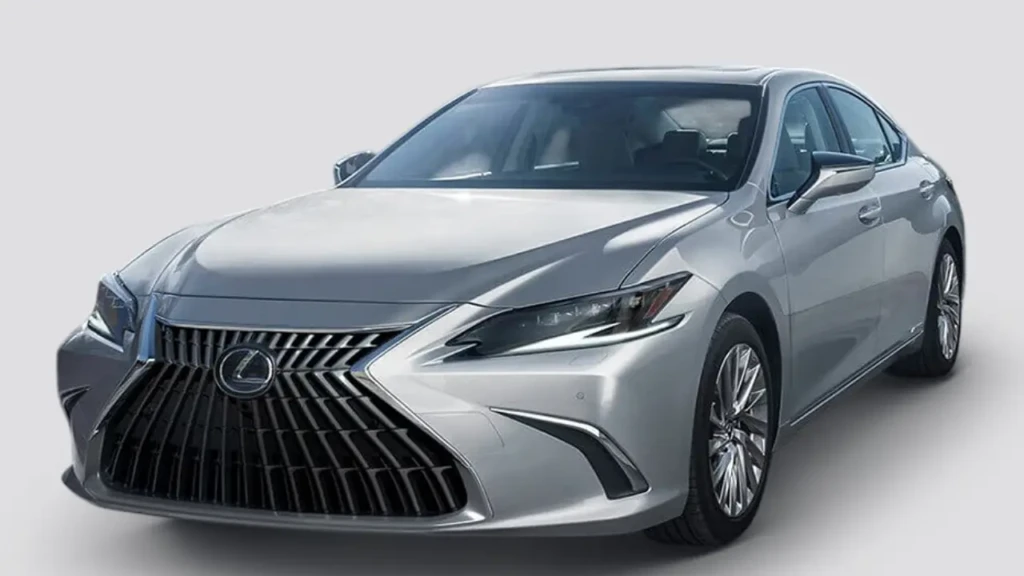
Key specs
- Body type: Saloon
- Engine: 2.5 L petrol hybrid (one engine option)
- Fuel type: Hybrid
- Seats: 5
- Boot space (seats up): 454 litres (~3 suitcases)
- Dimensions: 4,975 × 1,865 × 1,445 mm
- CO₂: 120–121 g/km
- Fuel economy: 53.2 mpg (official)
What’s good
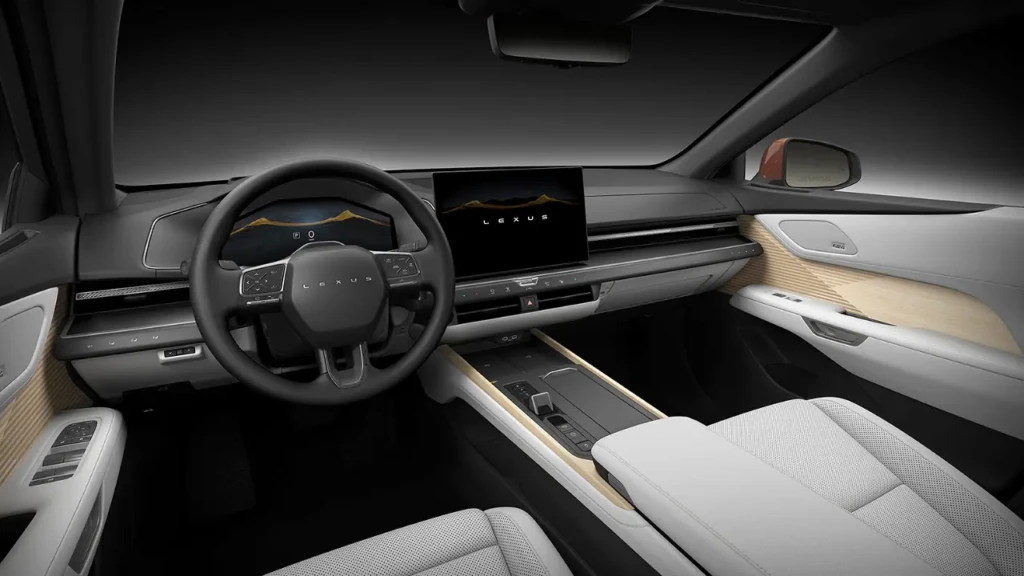
- Lovely interior style and quality — double-decker dashboard, brushed-metal trims, soft-touch leatherette, real metal door handles
- Masses of rear legroom — more than 5 Series/E-Class/A6, but headroom is tight for people over 6ft
- Loads of standard safety kit — Lexus Safety System + with radar cruise, lane centre, AEB, blind-spot monitor, road sign recognition
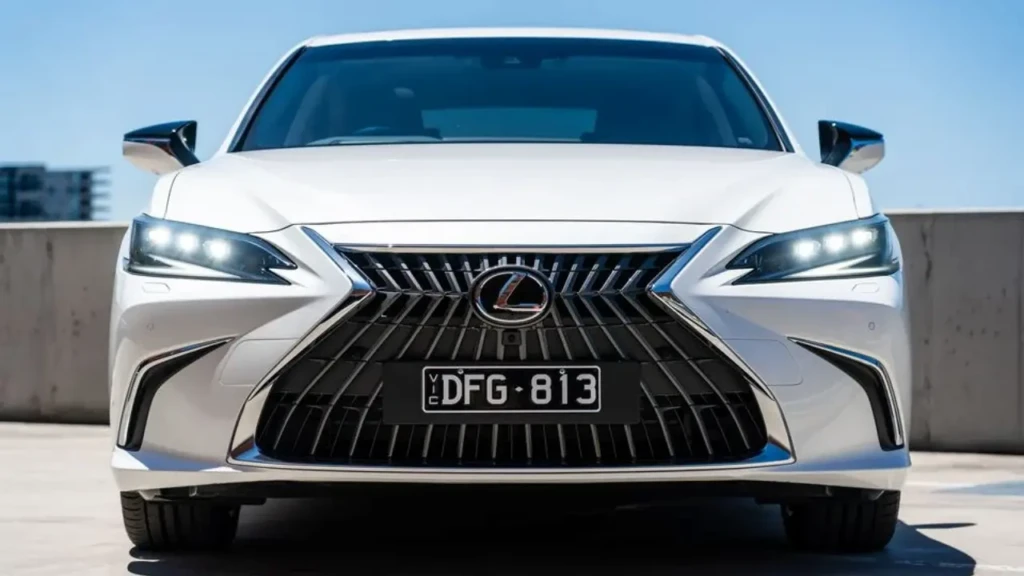
What’s not so good
- Only one engine option (2.5L hybrid) and no estate variant
- CVT gearbox can whine loudly under hard acceleration and feels unpleasant at times
- Lacks wow factor versus German alternatives; steering is light and artificial, not sporty
Performance & drive comfort
In town the ES is quiet and relaxed, often cruising on electric power at low speeds. The ride is mostly comfortable, but sharper bumps can send a jolt into the cabin and the steering is light—ideal for parking but not sporty. On motorways the front seats are astonishingly comfortable and refinement is high thanks to sound-absorbing materials, though wind noise around large mirrors is noticeable .
On twisty roads the ES feels cumbersome front-wheel drive and light steering can’t match the balance of rear-wheel-drive rivals like the 5 Series or E-Class. Acceleration is yawning compared to German alternatives, and the hybrid is tuned for smoothness and economy rather than pace .
Space & practicality
Front space is excellent with generous seat/steering adjustment and electric column; the retracting seat/steering when parked helps entry/exit. Rear legroom is generous, but headroom is tight due to the sloping roofline—over 6ft passengers will feel cramped. Boot space is 454 litres (smaller than most German rivals, but bigger than plug-in hybrid rivals where batteries eat luggage space). No folding rear seats, but a ski-hatch is available for long items .
Also Read : Upcoming Maruti Suzuki cars in India (June 2026) model‑wise details, prices and quick takeaways
Interior style, infotainment & accessories
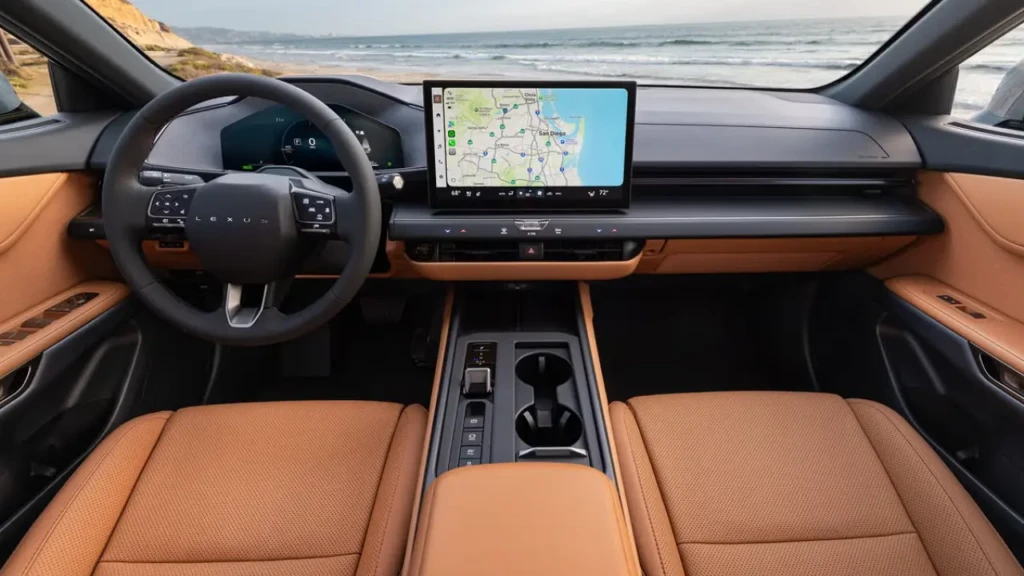
Cabin quality is outstanding with soft-touch leatherette, hand stitching and metal parts. The latest 12.3-inch touchscreen (from NX/RX/LBX) is a big improvement over previous systems—bright, clear and responsive, though there’s no home screen and some functions take too many button presses. A physical climate panel is present, but heated-seat/steering buttons are low. A rotary controller for Sport/Normal/Eco is conveniently placed .
MPG, emissions & tax
Owner testing showed ~48 mpg on a mixed route, and official CO₂ is around 124 g/km. First-year road tax for private users is £180 plus a £335 levy for cars over £40,000. Company-car users fall into the 29% tax category—better than petrol/diesel rivals but not as good as plug-in hybrids .
Safety & security
Euro NCAP 2018: 5 stars (91% adult, 87% child, 90% vulnerable road user). Standard safety includes radar cruise, lane centre, AEB with pedestrian detection, auto high-beam LEDs, rear cross-traffic alert with auto braking, blind-spot monitor and road sign recognition .
Reliability & warranty
Lexus reliability reputation is strong. The ES has been recalled twice (brake booster pump and auto emergency call system). Standard warranty is 3 years/unlimited mileage; dealer servicing can extend it up to 10 years or 100,000 miles .
How much is the Lexus ES? (UK pricing)
- RRP: £43,960–£57,260. Monthly payments start at £687. Used price on Carwow starts at £22,895. The ES is well priced compared to PHEV versions of the 5 Series and E-Class, often offering ~£10k advantage .
India-focused insights
- Expect an import price significantly higher than domestic sedans due to CBU imports; hybrid-only lineup suits high-city-mileage and fuel-efficiency buyers.
- Comfort-first positioning and excellent rear legroom make it ideal for chauffeur-driven or family use, but driving enthusiasts may prefer rear-wheel-drive German rivals.
- Verify India-specific pricing, warranty terms and service network availability before purchase; check if the ES will be priced against the BMW 5 Series Hybrid or Mercedes E-Class PHEV once imported.
Pros vs rivals quick take
- Better value than PHEV 5 Series/E-Class on many trims, strong cabin quality and standard safety, but slower acceleration and less engaging drive than German rivals .
Conclusion
The Lexus ES is a comfort-first hybrid saloon with premium cabin quality, excellent rear legroom and strong standard safety. It undercuts German rivals on value and refinement, but it’s slower to accelerate and less engaging to drive than rear-wheel-drive alternatives. If you prioritize comfort, reliability and low running costs over sporty handling, the ES is a credible executive choice.
A: UK RRP is £43,960–£57,260; monthly payments start at £687. Used prices start at £22,895.
A: Yes — it uses a 2.5L petrol hybrid; there’s no plug-in or pure-EV version.
A: 454 litres (seats up), with a ski-hatch but no folding rear seats.
A: Euro NCAP 2018: 5 stars (91% adult, 87% child), includes Lexus Safety System + as standard.
A: Strong reputation; warranty extends up to 10 years/100,000 miles with annual dealer servicing.