
German cars in India deliver premium driving dynamics, safety, and cutting-edge technology, but they come at a higher price, faster depreciation, and higher long-term costs than Japanese rivals. For performance-focused buyers who can afford the premium, they’re worth it; for value-conscious owners, Japanese or Korean brands are better.
Price Range: German Brands in India (2024–2026)
- Volkswagen is the most affordable German brand, with the Polo starting at ₹11.32 lakh (on-road ~₹15 lakh).
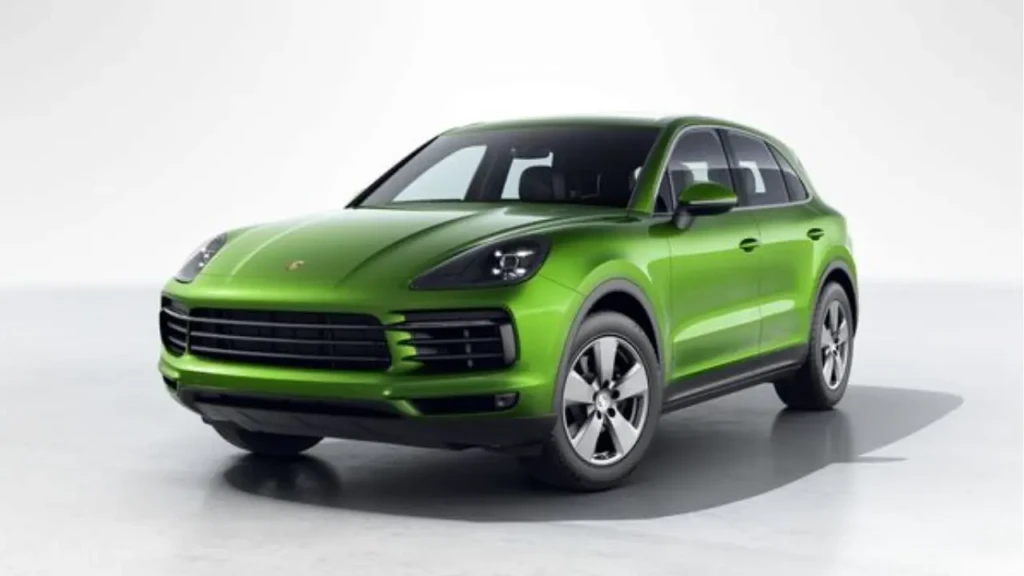
- Skoda Kodiaq starts at ₹35.16 lakh, while Porsche Cayenne starts at ₹1.35 crore.
The India-EU FTA: Will German Cars Become Cheaper?
Yes, but not immediately or for everyone:
5-Year Ownership Cost: German Luxury Car in India
A representative analysis of owning a German luxury car (average on-road price ₹62 lakh):
- After 5 years, the car’s resale value drops to ~₹26 lakh (from ₹62 lakh purchase).
- Annual service cost: ~₹45,000 average.
- Major repairs (years 4–5): ~₹1.8 lakh average.
- Tires (2 sets over 5 years): ~₹80,000.
- Brake replacement (5 years): ~₹60,000.
Key takeaway: That’s ₹1.04 lakh per month just to own and operate a depreciating vehicle. The true cost of German luxury extends far beyond showroom price.
Pros of German Cars in India
German cars are engineered for high-performance driving, with excellent chassis balance and responsive steering.
Cons of German Cars in India
Key reality: A Japanese car can be “abused” and still remain reliable, while European cars need to be pampered to stay reliable past 10–15 years.
German vs Japanese: Real Cost Comparison
A 2021 US study showed an Audi A4 needing $1,800 in repairs over 5 years vs a Toyota Camry needing $600.
Best German Cars for India (2025–2026)
Segment Recommendations
| Budget | Best German Option | Alternative (Non-German) |
|---|---|---|
| ₹10–20 lakh | VW Polo GT | Hyundai Creta, Kia Seltos |
| ₹20–35 lakh | Skoda Kodiaq | Toyota Fortuner, Mahindra XUV700 |
| ₹35–50 lakh | VW Tiguan, Audi A3 | Mercedes GLA, BMW X1 |
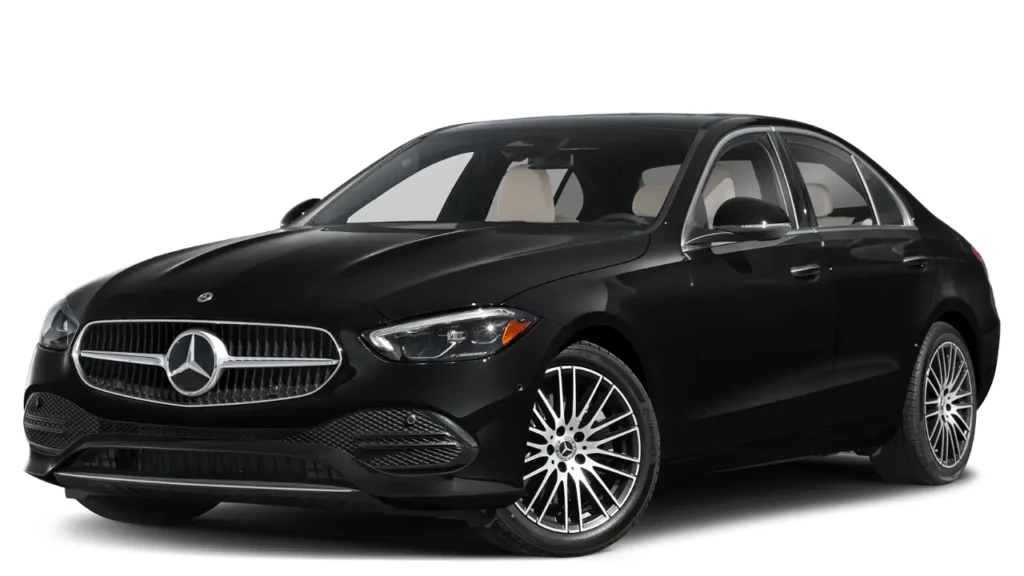
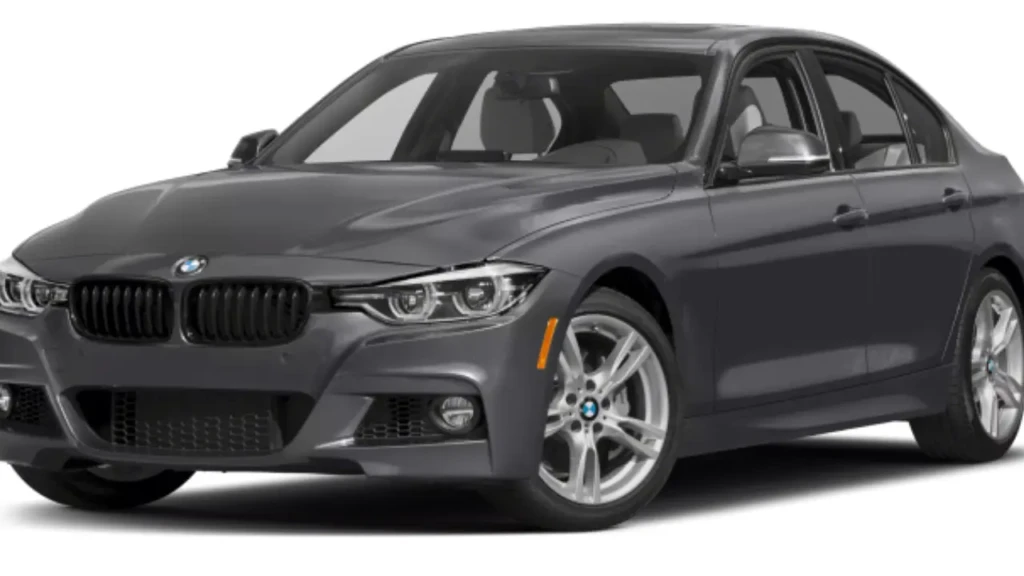
| ₹50–75 lakh | BMW 3-Series, C-Class | Lexus EX, Volvo XC60 |
| ₹75 lakh+ | Mercedes S-Class, Porsche Cayenne | Range Rover, Lamborghini Urus |
When German Cars Are Worth It
You should buy a German car in India if:
- You drive 1,500+ km/month on highways and value high-speed comfort.
- You prioritize driving dynamics over fuel efficiency and low maintenance.
- You can afford ₹1 lakh/month ownership costs (including depreciation).
- You plan to keep the car 3–5 years (avoid long-term depreciation hit).
- You want brand prestige and cutting-edge tech.
- You live in metros with good dealer access (Delhi, Mumbai, Bangalore, Chennai).
When German Cars Are NOT Worth It
Avoid German cars if:
- You drive mostly in the city (<1,000 km/month) with low-speed traffic.
- You prioritize low maintenance and reliability over performance.
- You plan to keep the car 7+ years (repair costs spike after 5 years).
- You’re budget-conscious and want better resale value.
- You’re in a tier-2/3 city with limited dealer/service access.
- You want maximum fuel efficiency (Japanese hybrids win here).
Also Read : Renault 5 Turbo 2026: Why the 1980s Rally Icon Is Trending Again
Quick Conclusion
Bottom line: German cars are worth the price if you’re a performance-driven, high-income buyer who values driving dynamics, safety, and brand prestige, and can afford the higher ownership costs. For value-conscious, reliability-focused buyers, Japanese or Korean brands are better choices.
Yes, German cars are 20–50% more expensive than comparable Japanese models, with higher purchase price, maintenance, and faster depreciation.
Yes, but gradually. Import duties will drop from 110% to 40% now, then to 10% over 5 years, but only for cars above ₹16.3 lakh and within a 2.5 lakh annual quota.
Average annual service is ₹45,000, with major repairs (years 4–5) around ₹1.8 lakh. Total 5-year maintenance and repairs: ₹5.8 lakh.
Yes, German cars depreciate faster than Japanese cars. A ₹62 lakh German luxury car may drop to ₹26 lakh after 5 years (₹36 lakh depreciation).
The Volkswagen Polo GT (₹15–18 lakh) is the best entry-level German car, offering fun driving dynamics and German handling at a relatively affordable price.
German cars are reliable if pampered, but they need more care than Japanese cars. Japanese cars can be “abused” and still last 15–20 years, while German cars may struggle past 10–15 years without proper maintenance.
Yes, German cars often have 5-star global NCAP safety ratings, advanced ADAS, and superior crash protection compared to many Indian-market rivals.
Used German cars (2018–2020 BMW, Audi, Mercedes) can be good value if you’re aware of maintenance costs and find a well-maintained example. Avoid cars with >100,000 km or unclear service history.

Divya Sharma is an automotive writer at CarChaska with over 3 years of experience in the automobile industry. Having previously worked with the sales teams of Maruti Suzuki and Hyundai, she brings practical industry knowledge to her coverage of car launches, reviews, EVs, and automotive trends.