
Follow a simple monthly, quarterly and yearly maintenance routine focused on fluids, tyres, brakes, battery and scheduled servicing to keep your car reliable, fuel-efficient and safe on Indian roads. This guide gives fresh, unique, SEO-ready content with practical steps, a high-CTR title, FAQs and on-point tips you can apply today.
Why this matters
Cars in India face hot summers, heavy monsoons, dusty highways and rough urban roads — all of which accelerate wear. A small, consistent maintenance routine saves fuel, avoids breakdowns, improves resale value, and keeps ownership costs low.
Monthly checklist
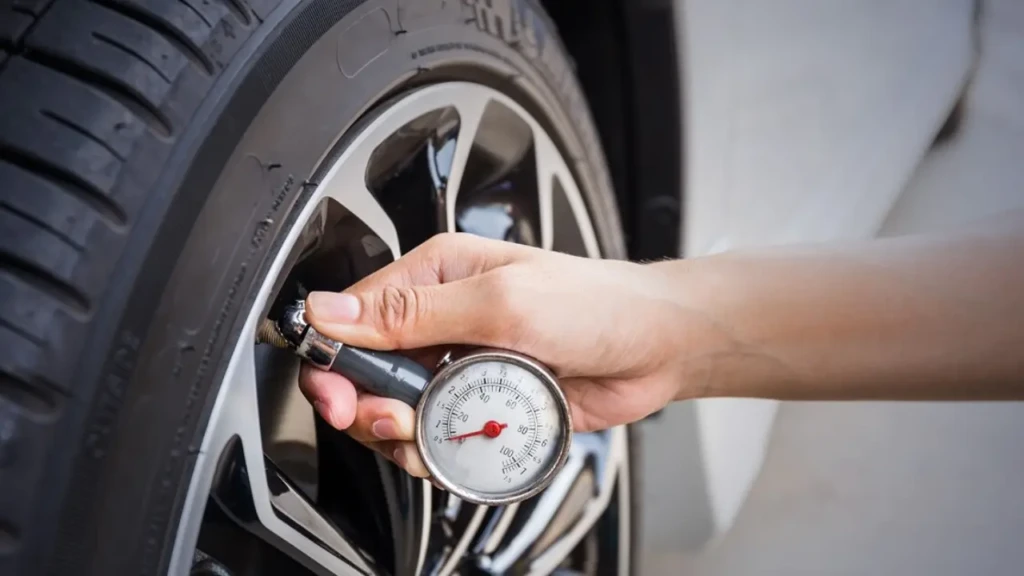
- Check tyre pressure and tread: Measure pressure cold and set to the PSI shown on the driver’s door sticker; inspect tread for uneven wear or cuts.
- Inspect all fluids visually: Engine oil level (dipstick), coolant reservoir level, brake fluid, power-steering fluid and washer fluid; top up if low.
- Test lights and indicators: Headlights, tail lamps, brake lights, indicators and fog lamps should all work for safety and fines avoidance.
- Look for dashboard warning lights: Don’t ignore a persistent light — note the symbol and get a diagnostic check if it doesn’t clear.
- Clean windows and mirrors: Good visibility reduces accident risk; keep wipers in good condition and replace if streaky.
Quarterly checks
- Wheel alignment and balancing: Do this after hitting potholes or every 10,000 km; it improves tyre life and steering stability.
- Check battery health: Clean terminals, ensure tight connections and test voltage (especially before summer or monsoon); replace if >4–5 years or weak.
- Air filter & cabin filter inspection: Replace or clean air filter around 12,000–15,000 km (sooner in dusty areas) to maintain fuel efficiency and engine life.
- Brake inspection: Check pad thickness and brake fluid level; squeaks, vibration, or reduced bite mean a visit to the workshop.
- Inspect belts and hoses: Look for cracks, brittleness or oil contamination; failing belts can lead to engine overheating or loss of alternator.
Every 10,000–15,000 km
- Engine oil & oil filter change: Use the grade recommended in the manual; shorter intervals in heavy city traffic or dusty conditions.
- Transmission fluid and gearbox check: Important for smooth shifts in AT/DCT cars; follow manufacturer intervals.
- Coolant flush / top-up: Prevent overheating and corrosion; verify antifreeze concentration before summer and winter.
- Spark plugs (petrol) or injector checks (diesel): Replace or service as recommended to avoid loss of power and higher fuel use.
Pre-monsoon and pre-summer checks
- Monsoon: Check underbody rustspots, ensure wiper blades are effective, sealant on door drains, check boot/door seals for leaks, and inspect the air intake and engine bay for any exposed wiring.
- Summer: Test AC cooling, top-up coolant, check radiator fans, and ensure battery is healthy to avoid roadside failures in heat.
Tyre care deep-dive
- Rotate tyres every 8,000–10,000 km to ensure even wear.
- Replace tyres when tread depth <1.6 mm or if you see bulges/cracks.
- Carry a quality puncture repair kit and a portable tyre inflator for highways and rural travel.
- Consider tyre choice: All-season or all-terrain depending on usage (city vs highway vs off-road).
Battery & electrical system
- Keep terminals clean and corrosion-free; apply a thin film of petroleum jelly after cleaning.
- If you use the car infrequently, start it and run 15–20 minutes weekly or use a trickle charger.
- Replace battery proactively at 4–5 years (earlier in hot climates) to avoid sudden failures.
Brakes & suspension
- Replace brake pads before they hit the metal-on-metal stage; servicing is cheaper than rotors.
- Notice pull-to-one-side, spongy brakes, or vibration — these require immediate inspection.
- Inspect shock absorbers and struts annually; poor suspension increases tyre wear and reduces control.
Interior & exterior preservation
- Wash and wax regularly to protect paint; underbody wash after monsoon to remove salt/mud.
- Use sunshades, park in shade or covered lot to protect upholstery and reduce AC load.
- Clean upholstery, HVAC vents and cabin filters to maintain air quality.
DIY vs professional servicing: what to do at home
- DIY: Tyre pressure checks, fluid top-ups, wiper replacement, air filter cleaning, battery terminal cleaning, basic interior/exterior cleaning.
- Professional: Major oil service, timing belt/chain, clutch adjustments, gearbox issues, AC servicing, advanced diagnostics and safety-critical repairs.
Cost-saving ownership hacks for India
- Use authorised service for warranty repairs; trusted independent garages for routine wear parts to save costs.
- Buy genuine or high-quality aftermarket consumables (filters, brake pads, tyres) — cheap parts can cost more long-term.
- Maintain service records — improves resale value and avoids confusion about required maintenance.
- Fuel-smart driving: Smooth acceleration, maintain steady speeds and avoid unnecessary idling to boost fuel economy.
Emergency & long-trip checklist
- Carry spare tyre, jack, wheel wrench, jump starter or booster pack, basic tool kit, first-aid kit, torch, and extra coolant.
- Before long trips: check tyre pressure, engine oil level, coolant, brakes, lights and battery; book a quick service if in doubt.
Common warning lights and quick fixes
- Engine check light: Could be anything from oxygen sensor to fuel system; get scanned.
- Battery/charging light: Check alternator belt/tension and battery condition.
- Oil pressure light: Stop immediately, check oil level — do not continue driving.
- Brake light: Check handbrake, brake fluid; get pads checked if persistent.
Environment-specific advice for India
- Dusty rural roads: Replace air filters more often (every 10–12k km).
- Flood-prone areas: Avoid submerging engines; if water enters engine, get immediate professional help.
- Coastal regions: Frequent underbody and metallic part checks for corrosion; wash salt off regularly.
Resale & documentation tips
- Keep full service history with invoices and authorised-stamp records.
- Fix small dents/scratches and maintain interiors; cosmetic care yields better resale prices.
- Time major servicing before sale; prospective buyers value recent major service.
Weekly quick checklist
- Tyre pressure, oil dipstick level, coolant reservoir, lights, wipers, dashboard lights, doors/locks, basic cleanliness.
One realistic maintenance plan
- Monthly: tyre pressure, fluids, lights.
- Every 3 months / 5k km: battery check, air filter inspection, brake pad look, wheel balance.
- Every 10–15k km: full service (oil + filter + brake fluid + coolant check), alignment, suspension check.
- Annually: AC service, coolant flush, major safety inspection.
Illustration/example
- Example: Replacing a clogged air filter and using fresh oil on schedule can improve fuel efficiency by 3–5% and prevent expensive injector/engine cleaning later — over a 5-year period this easily offsets service costs.
Also Read : New Car Launches in India 2026: 10 Upcoming Cars You Should Wait For
Conclusion
- A simple routine — small monthly checks, quarterly DIYs, and timely professional servicing — keeps your car reliable and lowers overall ownership cost in India’s diverse driving conditions. Prioritise safety items (brakes, tyres, lights) and keep records; small preventative steps avoid large repair bills.
Follow your owner’s manual; generally every 10,000–15,000 km for modern cars, sooner (8–10k) in heavy city traffic or dusty conditions.
Use a digital tyre gauge when tyres are cold (before driving); match PSI to driver-side sticker or manual.
Yes for routine wear-and-tear items (brake pads, tyres, AC gas top-up). Use authorised service for warranty items and complex diagnostics.
Clean cabin filter, inspect compressor belts, top-up refrigerant if needed, and clean condenser (front of radiator) before peak summer.
Check door/boot seals, keep drains clear, check wipers, underbody wash after heavy rain, and avoid driving through deep water.
Replace when tread depth <1.6 mm or if you find bulges/cuts; typical life 30–50k km depending on use and tyre quality.
Yes. Clean terminals periodically and test health yearly; replace after ~4–5 years or earlier in hot climates.
Maintain correct tyre pressure, change air filter on schedule, avoid heavy idling, smooth driving and timely oil changes.
0 Reviews