
Buying a used car can save money, but only if you inspect it properly before paying. A smart inspection helps you spot accident damage, engine trouble, odometer tampering, and hidden repair costs before they become your problem.
What to Check First
Start with the basics: documents, service history, and ownership details. If the paperwork looks incomplete or confusing, walk away before wasting time on the car itself. A clean paper trail is often the first sign of a genuine vehicle.
15 Essential Checks
1. Registration papers
Verify the RC, engine number, chassis number, and owner details. Make sure the car matches the documents exactly.
2. Insurance status
Check whether the insurance is active, expired, or previously claimed for major damage. A suspicious claim history can reveal old accident repairs.
3. Service records
Ask for service invoices, maintenance history, and repair bills. Regular servicing usually means the car was cared for properly.
4. Odometer reading
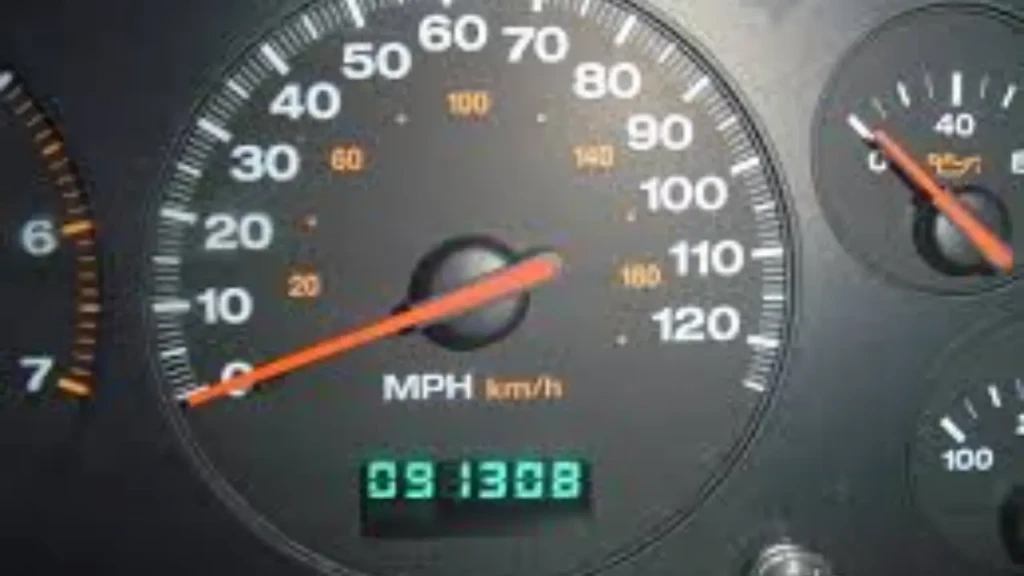
Look for signs of tampering if the mileage seems too low for the car’s age. Uneven wear on pedals, steering, and seats can also expose a rolled-back odometer.
5. Exterior paint
Check for mismatched paint shades, overspray, dents, scratches, and rust. Repainted panels can indicate accident repair.
6. Body panel gaps
Look closely at the spacing between doors, bonnet, and boot. Uneven gaps can suggest a past collision.
7. Tyres
Inspect tyre brand match, tread depth, sidewall cracks, and uneven wear. Very old or mismatched tyres often mean extra immediate expense.
8. Engine bay
Look for oil leaks, coolant stains, broken hoses, worn belts, and rust around metal parts. A dirty or freshly washed engine bay can sometimes be used to hide problems.
9. Start-up behavior
Start the car cold and listen for unusual rattles, knocking, or rough idling. A healthy engine should start cleanly and settle quickly.
10. Exhaust smoke
Watch the exhaust when the engine revs. Blue, white, or heavy black smoke may point to engine trouble.
11. Clutch and gearbox
Check clutch bite point, gear smoothness, and whether the car slips or jerks. Hard shifting or clutch slip can mean costly repairs.
12. Brakes
Test brake pedal feel and stopping confidence. Vibrations, squealing, or pulling to one side need inspection.
13. Suspension
Drive over bumps and listen for thuds, squeaks, or loose handling. A weak suspension can mean worn shocks or bushings.
14. AC and electronics
Test air conditioning, windows, mirrors, infotainment, lights, indicators, and central locking. Electrical repairs can become expensive fast.
15. Underbody and chassis
Check for rust, dents, weld marks, and flood damage underneath the car. A bent or rusty chassis is a serious red flag.
Best Way To Inspect
Take the car for a long test drive on city roads, empty roads, and rough patches. Drive with the radio off so you can hear noises clearly. If possible, get a trusted mechanic or inspection expert to check the car before closing the deal.
Red Flags To Avoid
- No service history.
- Mismatched paint or panel gaps.
- Strong smell of oil or dampness.
- Flood marks under carpets.
- Smoke from exhaust.
- Seller rushing the deal.
- Missing paperwork.
Also Read : Best Mileage Petrol Cars in India 2026: 10 Fuel-Efficient Models Worth Buying
Final Buying Advice
A second-hand car is a smart buy only when the price, condition, and papers all make sense together. If one major thing feels wrong, it usually is. Always inspect slowly, compare a few cars, and never buy under pressure.
Inspect the papers, body, engine, tyres, brakes, suspension, AC, and test drive it carefully.
Check RC, insurance, service records, pollution certificate, tax proof, and seller ID.
Look for paint mismatch, uneven gaps, rust, weld marks, and strange driving behavior.
Condition matters more than low mileage. A well-maintained high-mileage car can be better than a neglected low-mileage one.
Yes. A mechanic can spot hidden mechanical and structural problems that buyers often miss.
Rushing the deal without checking documents, service history, and test-driving properly.
You can, but it is risky. Without service history, it is harder to judge how well the car was maintained.
Shortlist clean cars, inspect documents and condition, take a test drive, and verify everything before payment.
0 Reviews