
Electric cars in India are now a practical choice for many buyers, but they are not the perfect fit for everyone. In 2026, EVs offer lower running costs, smoother driving, and growing policy support, yet challenges like higher upfront price, resale value, and charging still matter.
Why EVs Make Sense in 2026
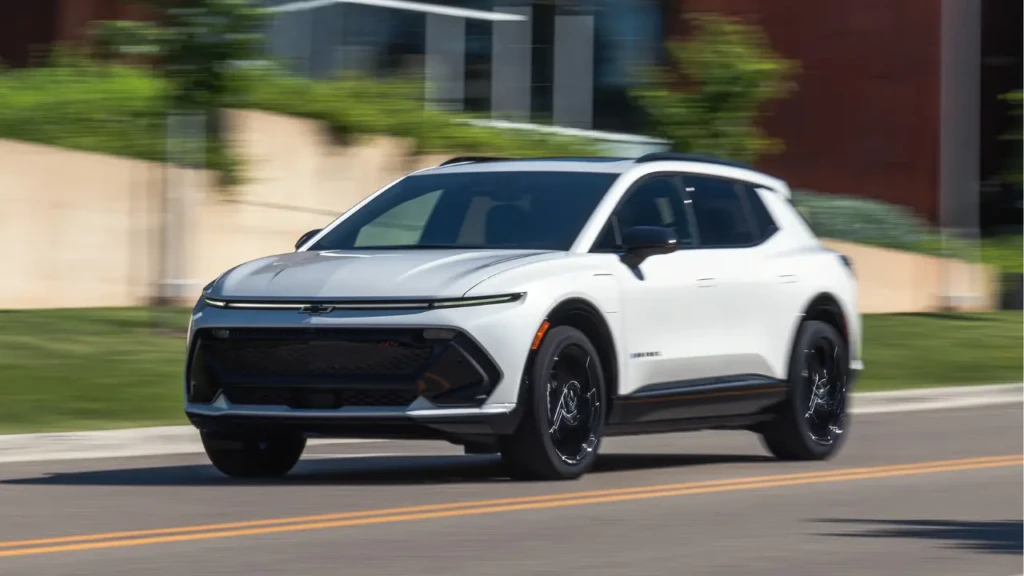
Electric vehicles are moving into the mainstream in India, with more models, better range, and a growing charging network.
If most of your driving is in the city and you can charge at home or work, an EV is often a no-brainer because charging can cost around ₹0.5–1.5 per km compared to ₹6–8 per km for petrol.
For buyers who drive more than 12,000–15,000 km a year, the long-term savings can make EVs a sensible financial choice, even if the initial price is higher.
Pros of Buying an EV in 2026
- Lower running cost: Home charging is much cheaper than refueling petrol.
- Smooth, quiet driving: EVs are instant-torque, vibration-free city cars.
- Policy support: GST on EVs is still 5%, plus state incentives and road tax waivers in some cases.
- Less maintenance: No engine oil changes, fewer moving parts, and simpler mechanicals.
- Cleaner city air: Zero tailpipe emissions help reduce local pollution and health risks.
Cons You Must Consider
- Higher upfront price: EVs often cost 20–35% more than comparable petrol models.
- Resale value risk: EV resale is still weak in India, which affects long-term value.
- Charging dependency: Public fast charging can be 2–3 times more expensive than home charging and may be unreliable.
- Range limits: EVs shine for city use and short highway runs, but long trips need planning.
- Service concerns: Some buyers report service delays, software issues, and uneven dealer support.
Real Cost Breakdown
Upfront cost
EVs are typically 20–35% more expensive than petrol cars in 2026, even after incentives.
This remains the biggest hurdle for many families, especially with petrol cars now cheaper after recent tax adjustments.
Running cost
Home charging costs around ₹6–10 per unit, while public fast charging can be ₹12–25 per unit.
Even with public charging, EVs usually cost ₹0.5–1.5 per km to run, far below ₹6–8 per km for petrol.
Maintenance
EVs are simpler mechanically, so routine maintenance is lower than petrol cars.
Insurance premiums for EVs can be higher, which partially offsets the savings.
Resale value
Resale value is a real concern for EVs in India, because the second-hand market is still maturing.
This factor alone can tip the balance in favor of petrol for some buyers.
Who Should Buy an EV in 2026
- City commuters: If your daily run is about 50–70 km, an EV is ideal.
- Home chargers: If you have a reliable home or office charger, EV ownership is much smoother.
- High-mileage users: If you drive 12,000–15,000 km+ per year, running cost savings can outweigh the higher purchase price.
- Second-car buyers: EVs are increasingly popular as second vehicles for city use, where range and charging are less of a worry.
Who Should Wait or Avoid
- Long-distance travelers: If you frequently take long highway trips, EVs are still best avoided unless you plan charging carefully.
- No home charging: If you cannot charge at home or work, public charging can be expensive and inconsistent.
- Resale-focused buyers: If you plan to sell your car within a few years, petrol may be safer due to better resale value.
- Tight budget buyers: If every rupee counts, the higher upfront cost of EVs may not fit your plan.
Also Read : Tata Curvv EV vs Mahindra BE 6e: Which Electric SUV Is the Better Buy in 2026?
Final Verdict
For many Indian buyers in 2026, an electric car is worth buying if you drive mostly in the city, have access to home charging, and plan to keep the car long enough to benefit from lower running costs.
If you often travel long distances, rely on public charging, or care a lot about resale, a petrol or hybrid may still be the smarter choice.
In short, EVs are excellent for urban, high-mileage, and second-car buyers, but not yet a universal replacement for petrol in India.
Yes, for city drivers with home charging and high annual mileage, because running costs are much lower than petrol.
Running costs are lower, but upfront price is typically 20–35% higher.
Home charging is around ₹6–10 per unit, public fast charging around ₹12–25 per unit, translating to ₹0.5–1.5 per km for EVs.
Resale value, charging infrastructure, and service reliability remain the main concerns.
City commuters, high-mileage drivers, and buyers with home or office chargers should consider EVs.
Long-distance travelers, buyers without home charging, and resale-focused buyers may be better off with petrol or hybrid.
It is improving, but still patchy compared to petrol, and public fast charging can be expensive and sometimes unreliable.
Yes, because EVs are simpler, but insurance premiums can be higher.
0 Reviews