
Choose petrol if you drive under 1,000 km/month, diesel if you drive 1,500+ km/month mostly on highways, and EV if you drive 1,500+ km/month mostly in the city with home charging. Your real savings depend on total cost of ownership, not just fuel price or mileage.
Why Fuel Choice Matters More in 2026
In 2026, buying a car is no longer just about petrol vs diesel. EVs, hybrids, and stricter emission norms have changed the math entirely. Fuel prices, government policies, resale value, and maintenance costs now play a bigger role than ever before.
The mistake most buyers make is comparing only mileage or fuel cost per km and ignoring upfront price, maintenance, resale value, and future regulations.
Petrol Cars in 2026
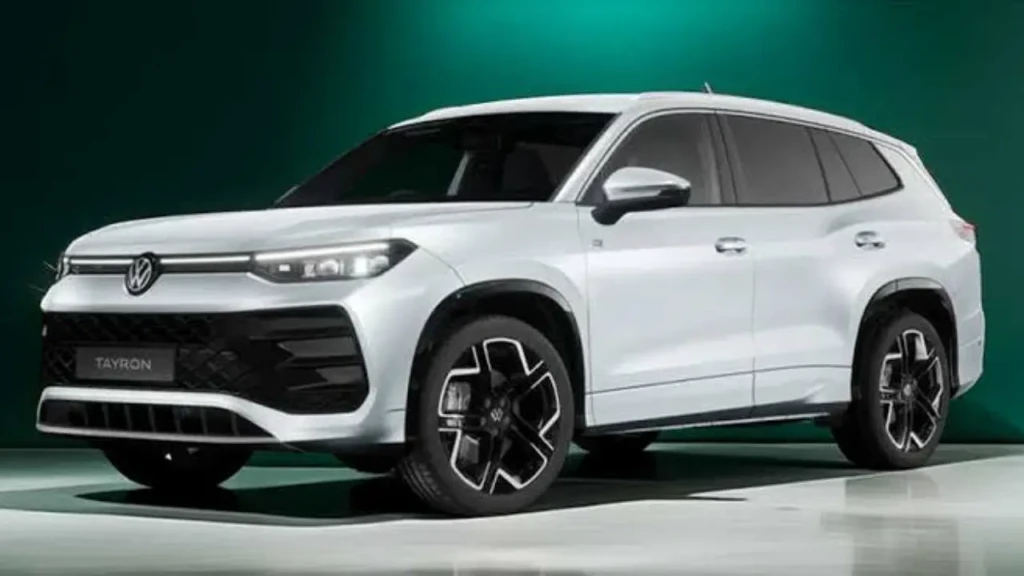
Best for: Low monthly usage (under 1,000 km), first-time buyers, budget-conscious families.
Pros
- Lowest upfront cost: Petrol cars are cheaper to buy than diesel and EVs.
- Easy maintenance: Simple engines, lower service costs.
- Fuel availability: Petrol pumps everywhere, no planning needed.
- Good resale: Petrol cars still have strong demand in most segments.
Cons
- Highest running cost: Around ₹5–7 per km.
- E20 fuel impact: E20 ethanol blend may reduce mileage slightly.
- Lower torque: Less pulling power compared to diesel and EV.
Verdict
Petrol is still the safest and easiest choice for most Indian buyers who drive less than 1,000 km per month and want low stress ownership.
Diesel Cars in 2026
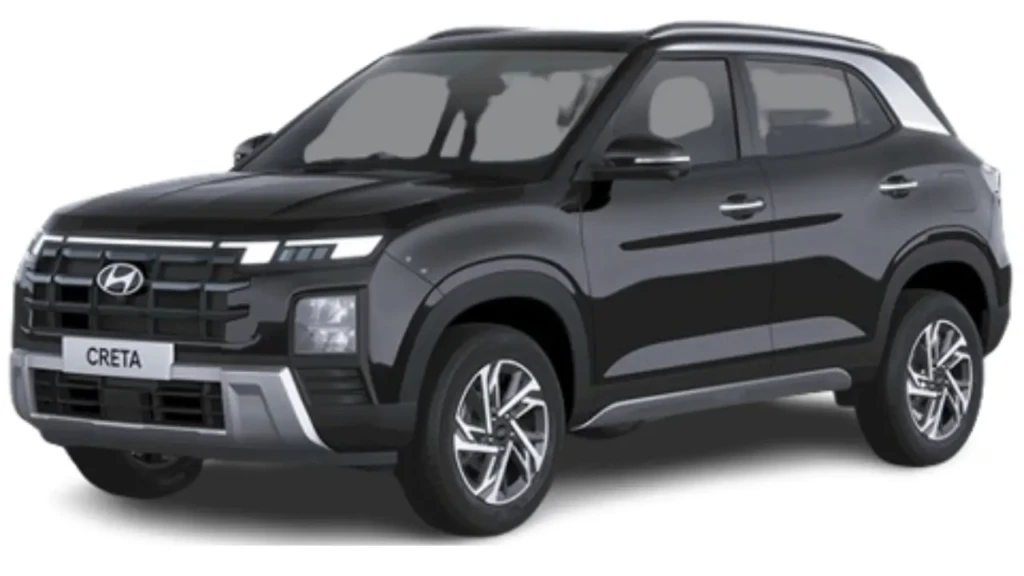
Best for: High monthly usage (1,500+ km), mostly highway driving, long-distance commuters.
Pros
- Best highway mileage: Diesel gives 15–30% better fuel efficiency on highways.
- Strong torque: Better for loaded driving, steep climbs, and highway cruising.
- Lower running cost than petrol: Around ₹4–5 per km on highways.
Cons
- Higher upfront cost: Diesel cars cost ₹1.5–3 lakh more than petrol.
- Costly maintenance: Complex emission systems (DPF, AdBlue) increase repair bills.
- Regulatory risks: Cities may impose stricter rules on diesel vehicles in the future.
- Resale uncertainty: Diesel resale depends heavily on usage and local demand.
Verdict
Diesel is not dead, but it is now a niche choice for genuine high-mileage highway users who can recover the higher purchase price over time.
Electric Cars in 2026
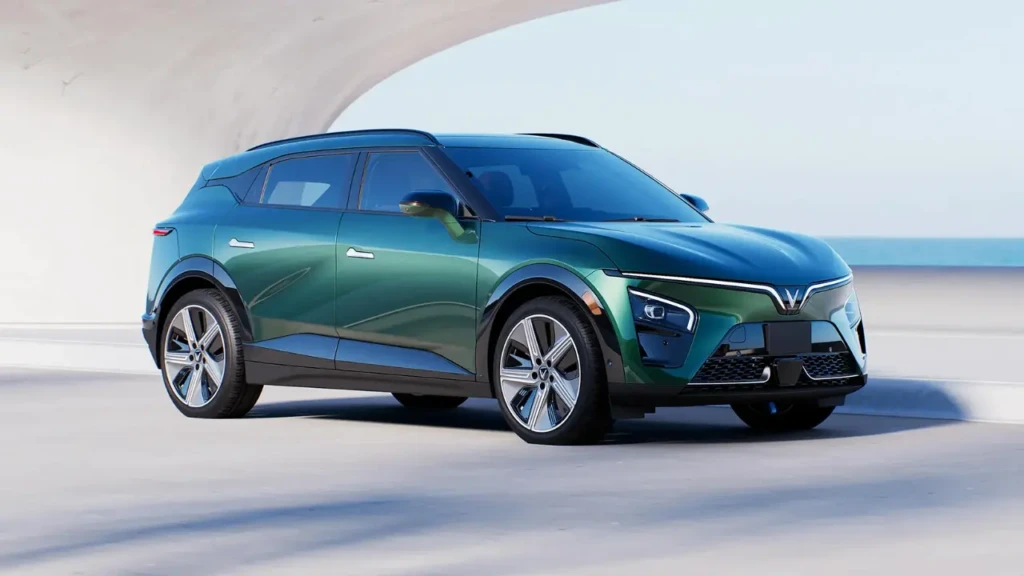
Best for: High monthly usage (1,500+ km), mostly city driving, home charging available.
Pros
- Lowest running cost: Around ₹1–3 per km with home charging.
- Low maintenance: Fewer moving parts, no engine oil, fewer service items.
- Smooth, silent drive: Best for city traffic and daily commuting.
- Government support: Subsidies, tax benefits, and lower registration fees in many states.
Cons
- Highest upfront cost: EVs cost ₹3–6 lakh more than equivalent petrol cars.
- Charging time: Home charging takes 6–8 hours, public fast charging takes 45–60 minutes.
- Charging infrastructure: Still limited in smaller towns and rural areas.
- Battery replacement risk: Battery may need replacement after 8–10 years (cost: ₹3–6 lakh).
- Resale uncertainty: EV resale market is still developing.
Verdict
EV is the best long-term financial choice if you drive 1,500+ km/month in the city and have home charging, because the low running cost can offset the higher purchase price in 4–6 years.
Side-by-Side Comparison: Petrol vs Diesel vs EV
| Factor | Petrol | Diesel | Electric (EV) |
|---|---|---|---|
| Upfront Cost | Lowest | Higher (+₹1.5–3L) | Highest (+₹3–6L) |
| Running Cost | ₹5–7/km | ₹4–5/km (highway) | ₹1–3/km (home charging) |
| Maintenance | Low | High (DPF, AdBlue) | Lowest |
| Best For | Under 1,000 km/month | 1,500+ km/month (highway) | 1,500+ km/month (city) |
| Refuel/Recharge Time | 5 minutes | 5 minutes | 6–8 hours (home), 45–60 min (fast) |
| Resale | Strong | Mixed | Developing |
| Future Regulations | Stable | Stricter rules likely | Supported by govt |
Hybrid Cars: The Middle Ground
Strong hybrids (like Toyota Hyryder, Maruti Grand Vitara) combine petrol engine with electric motor for better mileage without charging.
Pros
- Better mileage than petrol: Around 20–25 kmpl real-world.
- No charging needed: Self-charging through regenerative braking.
- Smooth city driving: Electric motor helps in stop-go traffic.
Cons
- Higher cost: Hybrids cost ₹2–3 lakh more than petrol.
- Complex system: More parts = potential maintenance cost later.
Verdict
Hybrid is a good option if you want better mileage than petrol but are not ready for EV.
Break-Even Math: When Does Each Fuel Type Pay Off?
| Usage Pattern | Best Choice | Why |
|---|---|---|
| Under 1,000 km/month | Petrol | Low upfront cost, lower total cost |
| 1,000–1,500 km/month (mixed) | Petrol or Hybrid | Petrol for low budget, hybrid for better efficiency |
| 1,500+ km/month (highway) | Diesel | Better mileage, lower running cost offsets higher price |
| 1,500+ km/month (city, home charging) | EV | Lowest running cost, breaks even in 4–6 years |
Buyer Profiles: Which One Are You?
| Profile | Best Fuel | Example Cars |
|---|---|---|
| First-time buyer, low budget | Petrol | Maruti Swift, Tata Tiago, Hyundai Exter |
| City commuter, 1,500+ km/month | EV | Tata Nexon EV, MG Comet, Tata Tiago EV |
| Highway traveler, 1,500+ km/month | Diesel | Mahindra Scorpio N, Tata Safari, Hyundai Creta Diesel |
| Family car, mixed usage | Petrol or Hybrid | Maruti Brezza, Toyota Hyryder, Honda City |
| Tech-savvy, future-ready | EV | Tata Nexon EV, MG ZS EV, BYAT Atto 3 |
Also Read : 10 Car Maintenance Mistakes That Can Ruin Your Engine
Final Verdict
- Petrol is the safest, least risky choice for most buyers with low to moderate usage.
- Diesel is worth it only for high-mileage highway users who can recover the extra cost.
- EV is the smartest long-term financial choice for city drivers with home charging and high monthly usage.
- Hybrid is a practical middle option for those who want better mileage without charging
There is no single best fuel. Your usage pattern, budget, and charging access should decide, not trends or marketing.
Petrol is cheapest to buy, but EV is cheapest to run. Over 5 years, EV can be cheaper overall if you drive 1,500+ km/month.
No. Diesel is still practical for high-mileage highway users, but it is no longer a mass-market choice.
With home charging, EV running cost is ₹1–3 per km, compared to ₹5–7 for petrol and ₹4–5 for diesel.
EV batteries typically last 8–10 years or more, with replacement cost around ₹3–6 lakh after warranty.
Yes, if you want better mileage than petrol but cannot charge at home or do not drive enough for EV to break even.
E20 is petrol blended with 20% ethanol. It may reduce mileage slightly but is now standard across India.
EV or petrol hybrid is best for city driving due to low running cost and smooth performance.
Diesel is still best for long highway trips due to better mileage and torque.
0 Reviews