
2026 is the year many Indian buyers will finally ask “Which EV should I buy?” instead of “Should I buy an EV?”.
The market now spans from sub-₹10 lakh city cars to long-range electric SUVs, with more models, better range, and faster charging than ever.
If you are thinking of buying an electric car in India in 2026, this guide tells you what has changed, which models matter, and how to pick the right EV for your life and budget.
Why 2026 Is Different For EV Buyers
- More choices: Over 50 electric cars are now available or launching in India in 2026, from MG Comet to Maruti e Vitara and Tata Sierra EV.
- Better range: Many new EVs now offer 300–550 km claimed range, with some hitting 570 km WLTP in premium segments.
- Faster charging: Newer EVs use 800V and improved DC fast-charging systems, cutting charging time and adding range in minutes, not hours.
- Lower entry price: EVs now start around ₹7 lakh with MG Comet, and more affordable models like VinFast VF3 are expected in the ₹8–10 lakh band.
EV Segments In 2026
1. Budget EVs Under ₹10 lakh
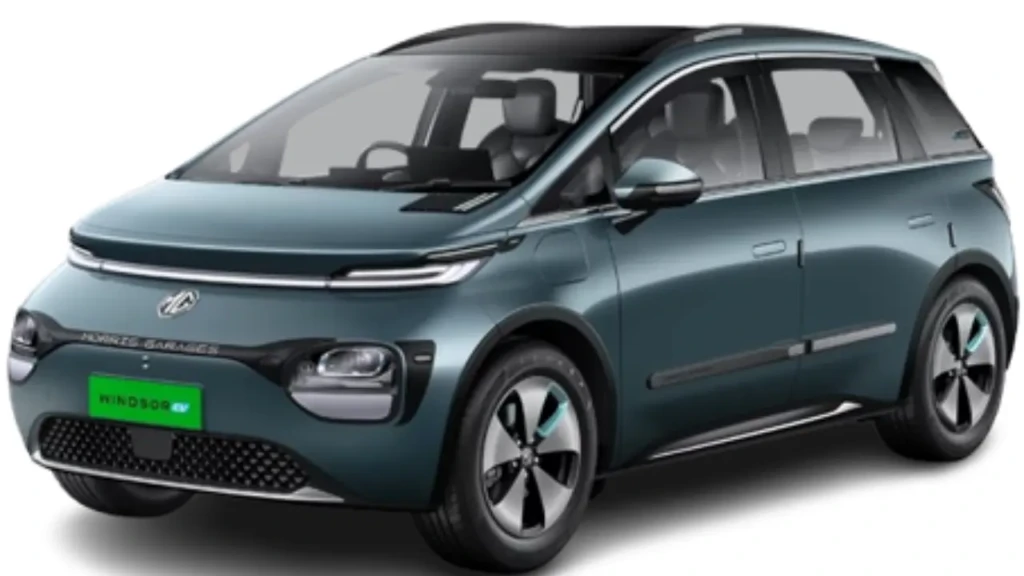
Best for city commuters and first-time EV buyers.
Top picks:
- MG Comet EV: ₹7–9.8 lakh, up to 230 km range, easiest city EV to park and charge.
- Tata Tiago EV / Tigor EV: Strong value, decent range, proven track record.
- Citroën eC3: French design, practical city EV.
- Upcoming VinFast VF3: Small EV, 200+ km range, expected ₹8–10 lakh.
Best for: Daily city use, short commutes, home charging available.
2. City & Compact EVs ₹10–15 lakh
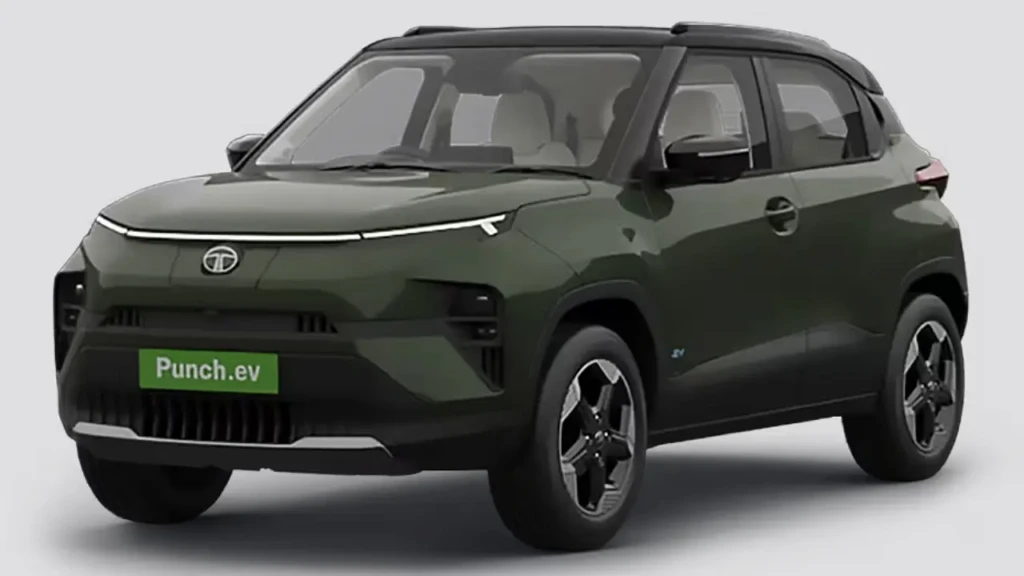
Best blend of range, space, and price for most families.
Top picks:
- Tata Punch EV: ₹8–14.4 lakh, compact SUV feel, 25–35 kWh battery options, ideal for city and weekend trips.
- MG Windsor EV: Around ₹14 lakh, modern design, usable range for mixed driving.
- Kia Syros EV (upcoming): Compact SUV EV, 300–350 km range, expected ₹16–20 lakh.
- Maruti e Vitara (upcoming): 49/61 kWh battery, up to 543 km ARAI range, expected ₹17–22.5 lakh.
- Toyota Urban Cruiser EV (upcoming): Twin of e Vitara, similar range, expected ₹18–25 lakh.
Best for: Mixed city and highway use, first “real” family EV.
3. Midsize & Long-Range EVs ₹15–25 lakh
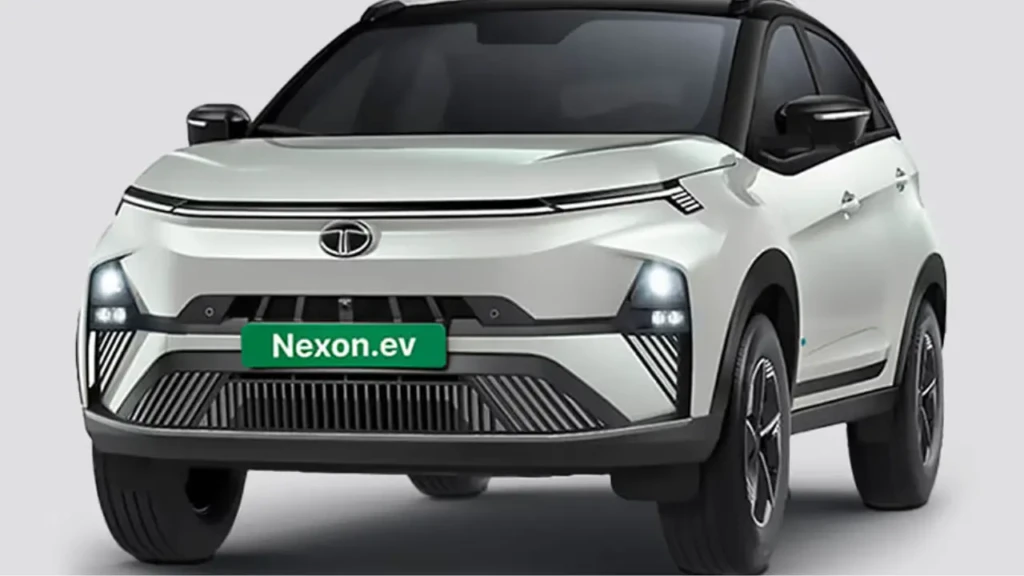
Best for frequent highway users and long-distance drivers.
Top picks:
- Tata Nexon EV / Curvv EV: Popular electric SUVs with strong service network and acceptable range.
- Tata Harrier EV: Around ₹21.5 lakh, larger SUV, longer range, more comfort.
- Mahindra BE 6 / XEV 9e: New Mahindra EVs with modern design and good range.
- VinFast VF6 / Limo Green: 5+2 seat MPV EV, ~450 km range, expected ₹22–26 lakh.
- Kia Carens Clavis EV: 7-seater electric MPV for families.
Best for: Highway-heavy users, families needing space and range.
4. Premium & Luxury EVs ₹25 lakh+
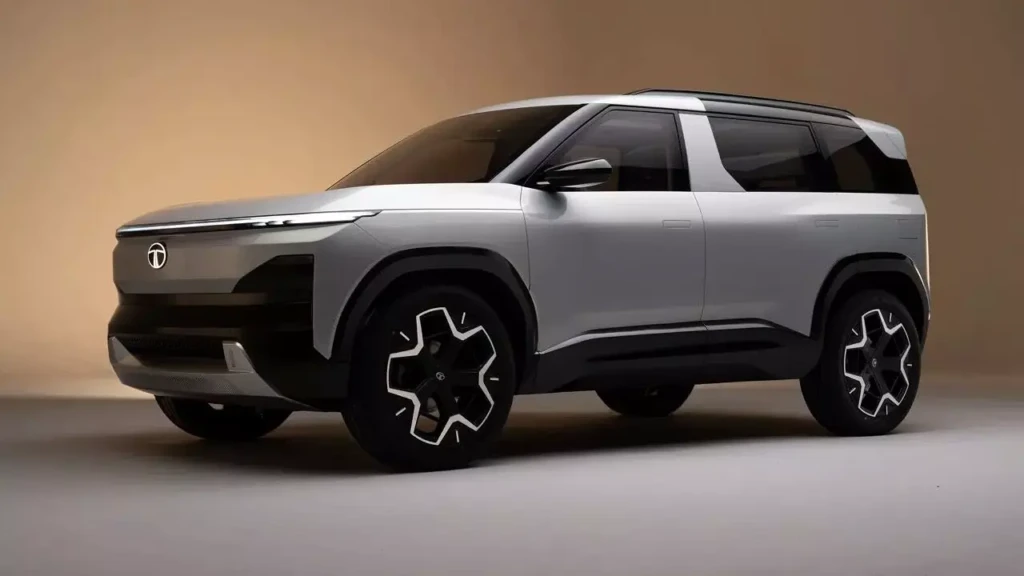
Best for tech lovers, performance seekers, and status buyers.
Notable models:
- Tata Sierra EV: ₹20–30 lakh, RWD/AWD options, premium midsize SUV.
- Hyundai Ioniq 5 facelift: 84 kWh battery, ~570 km WLTP, expected near ₹50 lakh.
- Skoda Elroq (evaluating): Up to 77 kWh, ~560 km range, expected ₹40–45 lakh.
- Tata Avinya (production model): Above Harrier EV, premium positioning, ₹30 lakh+.
- Luxury EVs: Volvo ES90, BMW iX3, Mercedes EQS, Audi Q6 e-tron, with 800V charging and 700+ km range.
Best for: Long-distance comfort, advanced tech, brand value.
How To Choose The Right EV
1. Daily Driving Distance
- If your daily run is under 50–60 km and you can charge at home, a budget or compact EV with 200–300 km range is enough.
- If you regularly do 100+ km days or frequent highway trips, aim for 350–550 km range models.
2. Home Charging Availability
- If you have a dedicated parking spot with a socket, home charging makes EV ownership very convenient.
- If you rely only on public charging, prioritize models with good DC fast-charging support and a strong charging network in your city.
3. Budget & Total Cost Of Ownership
- Upfront EV price is higher than petrol in many cases, but running cost is much lower.
- Factor in electricity cost, maintenance, battery warranty, and possible resale value, not just the sticker price.
4. Range Anxiety vs Real Use
- Modern EVs with 300+ km range reduce anxiety for most users.
- Only buyers who regularly do 400–500 km single-day trips need to worry about the longest-range options.
EV Vs Petrol: What Changes In 2026
Running Cost
- EVs typically cost ₹1–2 per km in electricity, while petrol cars often cost ₹8–12 per km depending on fuel price and mileage.
- Over 5 years or 60,000–80,000 km, this can save lakhs in fuel bills.
Maintenance
- EVs have fewer moving parts, no engine oil changes, and fewer service items.
- Tyres, brakes, suspension, and battery-related checks remain, but overall maintenance is simpler.
Refuelling vs Charging
- Petrol: 5 minutes at any pump.
- EV: Overnight home charging for daily use, DC fast charging for highway trips.
- New 800V systems can add 200–300 km range in 10–15 minutes at compatible fast chargers.
Common EV Myths In India
Myth: “EVs cannot handle long trips.”
Reality: 300–550 km range EVs with fast charging can comfortably handle most Indian road trips with planned stops.
Myth: “Battery will fail in 3–4 years.”
Reality: Most manufacturers offer 8-year or longer battery warranties, and battery tech has improved significantly.
Myth: “Charging infrastructure is non-existent.”
Reality: Charging networks are growing fast, especially in metros and on major highways, and home charging covers most daily needs.
Must-Check Features Before Buying
- Range (ARAI/WLTP): Match range to your real-world usage.
- Battery size (kWh): Larger battery = more range but more cost.
- Charging speed: Look for DC fast charging support and compatible networks.
- Battery warranty: Typically 8 years / 1.5–1.6 lakh km.
- Safety features: Airbags, ABS, ESP, and crash test ratings where available.
- Service network: Brand presence in your city affects convenience and resale.
Top 5 EVs To Shortlist In 2026
1. Best Budget City EV
MG Comet EV – cheapest easy-to-live EV, great for city use.
2. Best Value Compact EV
Tata Punch EV – SUV stance, practical size, good range options.
3. Best All-Rounder Family EV
Maruti e Vitara / Toyota Urban Cruiser EV – 300–540 km range, strong brand trust, versatile size.
4. Best Long-Range SUV EV
Tata Harrier EV / Tata Sierra EV – larger SUVs with longer range and more comfort.
5. Best Tech-Loaded EV
Hyundai Ioniq 5 facelift – premium tech, 84 kWh battery, long range for enthusiasts.
Common Mistakes First-Time EV Buyers Make
- Choosing only on price: Ignoring range, charging, and service network.
- Overestimating range needs: Buying a very large-battery EV when a smaller one is enough.
- Ignoring home charging: Not planning where and how you will charge daily.
- Focusing only on ARAI range: Real-world range is lower, especially in city traffic and AC use.
Also Read : Petrol vs Diesel vs Electric Cars in India: Which One Should You Really Buy in 2026?
Final Verdict
If you are thinking of buying an electric car in India in 2026, the smartest move is to:
- Pick a budget or compact EV if you mostly drive in the city and can charge at home.
- Pick a midsize or long-range EV if you frequently travel on highways or need more space.
- Treat EVs as a long-term ownership decision, where lower running cost and simpler maintenance balance the higher upfront price.
For most Indian buyers in 2026, EVs are no longer an experiment; they are a practical, cost-effective alternative to petrol and diesel, as long as you choose the right model for your driving pattern.
Yes, 2026 offers more models, better range, faster charging, and broader price options than ever before.
MG Comet EV is the most popular budget EV, with Tata Tiago EV and upcoming VinFast VF3 as strong alternatives.
Models like Tata Harrier EV, Tata Sierra EV, Maruti e Vitara (long-range), and Hyundai Ioniq 5 are better suited for highway-heavy use.
Home charging typically costs ₹1–2 per km, far lower than petrol cars, depending on electricity tariff and driving style.
Yes, major brands offer 8-year battery warranties, and EVs are designed to handle heat, dust, and rough roads, though service network strength varies by brand.
You can still buy one, but you should prioritize models with good DC fast-charging support and ensure strong public charging availability in your city.
Over 5–8 years, EVs usually save money on fuel and maintenance, even if the upfront price is higher.
Long-range options include Hyundai Ioniq 5 (around 570 km WLTP), Maruti e Vitara (up to 543 km ARAI), and some premium luxury EVs with 700+ km range.
0 Reviews