
The best cars for rural roads are usually the ones with high ground clearance, tough suspension, low maintenance costs, and simple ownership. For Indian village roads and rough countryside use, SUVs like the Maruti Brezza and Mahindra Bolero often make the most sense, while tall hatchbacks like the WagonR can work well on moderately uneven roads.
Rural driving is different from city driving because the road surface changes more often. You may face potholes, broken edges, gravel, slush, waterlogging, speed breakers, and unpaved stretches, so the car must tolerate abuse without demanding expensive repairs. That is why clearance and durability matter more than flashy features in this use case.
What rural roads need
A good rural-road car should sit higher off the ground so the underbody does not scrape on rough patches. It should also have a suspension that can absorb sharp bumps instead of crashing over them. Low running cost matters too, because many rural owners prefer a vehicle that is economical to fuel, easy to service, and cheap to maintain.
Practicality is just as important as toughness. A good rural car should have usable ground clearance, comfortable seats, enough luggage space, and a strong reputation for reliability. If the vehicle is also easy to drive in traffic and easy to repair locally, that is a major advantage.
Best cars for rural use
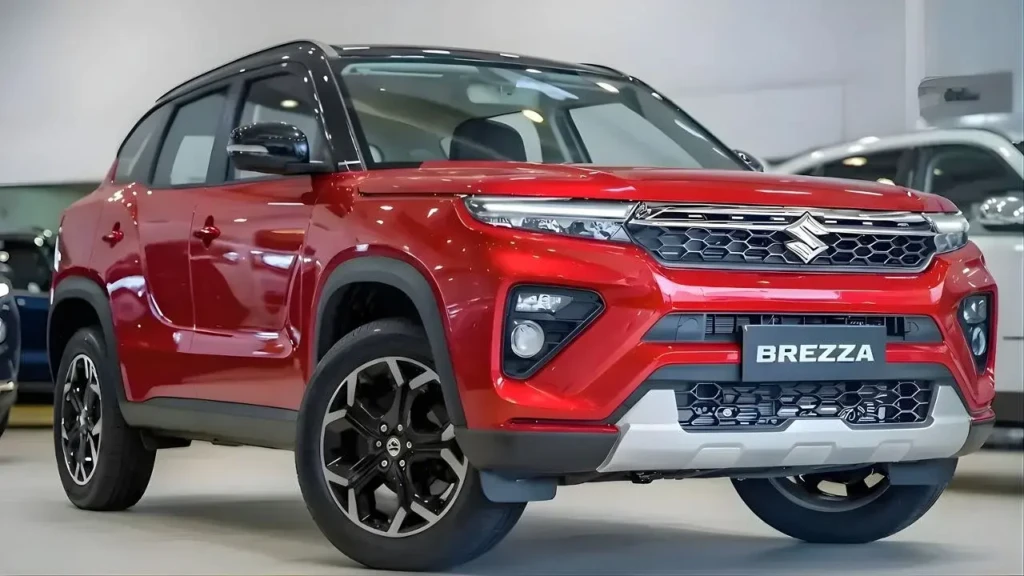
Why Brezza stands out
The Maruti Brezza is one of the strongest overall picks because it combines SUV stance, useful clearance, and easy ownership. Its 198 mm ground clearance gives it a clear advantage on rough roads, broken shoulders, and unpaved stretches. It is also a practical family vehicle, so it works not only for rural commutes but also for longer mixed-use travel.
The Brezza makes sense for buyers who want a modern car without sacrificing road ability. It is a better all-rounder than a hatchback if the roads are consistently poor, and it is easier to live with than a bigger ladder-frame SUV for many households.
Why Bolero remains relevant
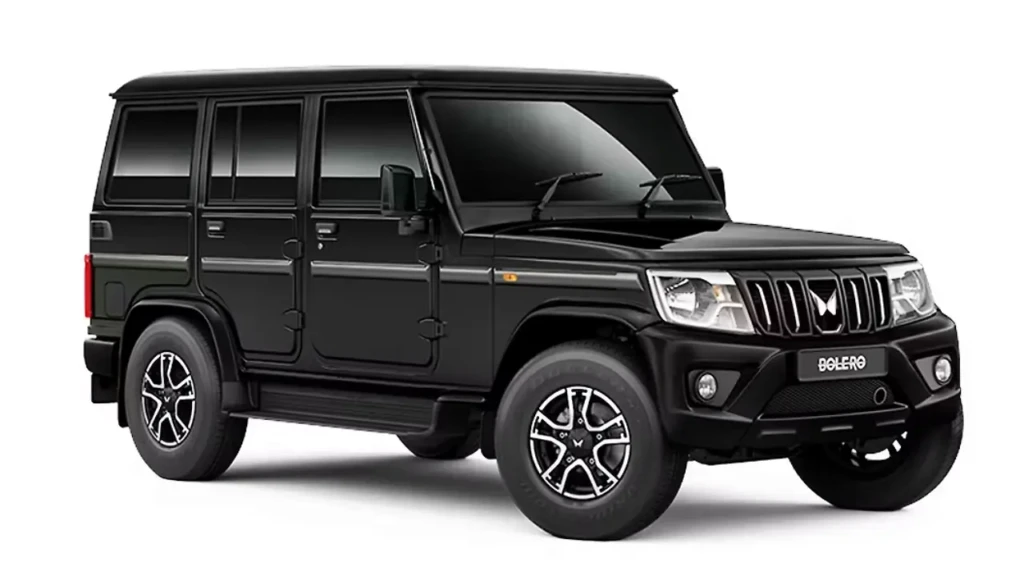
The Mahindra Bolero is still one of the most trusted rural vehicles because of its tough image and simple mechanical character. It is a vehicle people buy when durability matters more than luxury. That is exactly why it remains popular in villages, semi-urban areas, and work-heavy use cases.
Its 180 mm ground clearance is enough for many bad-road situations, and its rugged nature makes it a dependable choice for owners who want something basic but strong. If the road network is poor and the car will often carry people, cargo, or both, Bolero remains a practical answer.
Why WagonR can still fit
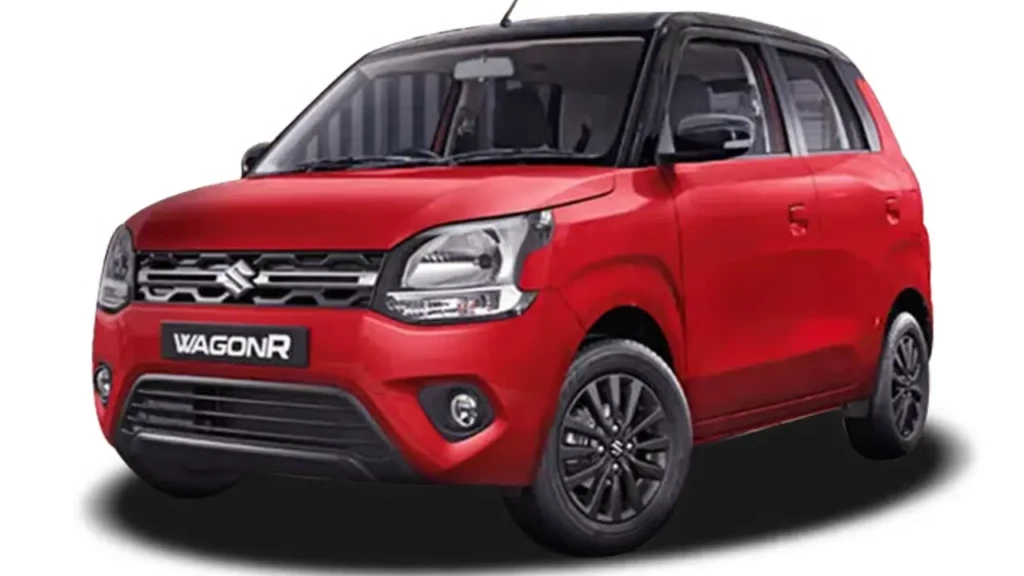
The Maruti WagonR may not look like an off-road vehicle, but it is a sensible option for rural buyers who want something simple, tall, and affordable. Its 170 mm ground clearance helps it deal with road imperfections better than many low-slung cars. For light rural use, it can be a very useful everyday car.
It is best suited for families that want mostly city-and-village mixed use rather than deep-rural abuse. If the roads are only moderately rough and budget matters a lot, WagonR becomes a very logical choice.
Budget-friendly options
If you are shopping at the lower end of the budget, the Tata Tiago is often recommended as a rural-friendly option. It is not an SUV, but it is considered practical for Indian village roads when the budget is tight. For many buyers, that combination of price and usability is enough.
The other major budget strategy is to buy a tall hatchback instead of a sedan. Hatchbacks are usually easier to place, easier to maintain, and less stressful on narrow roads than larger cars. This is why cars like WagonR and Tiago appear repeatedly in rural-car lists.
SUVs vs hatchbacks
SUVs are generally the safer bet for rough rural roads because they offer better clearance and a more tolerant setup. They are more suitable if the road surface is broken, slushy, or uneven for long stretches. Models like the Brezza, Bolero, and Scorpio are the clear examples here.
Hatchbacks still have a place when the roads are manageable and the owner wants lower cost and easier maneuverability. A tall hatchback can be a smart compromise between comfort and affordability. So the right answer depends on how bad the roads actually are, not just on body style.
Family use and comfort
If the car will be used for both rural roads and family travel, comfort becomes more important. The best choice is usually a balanced SUV rather than a work-focused vehicle. That is why the Brezza often stands out as a middle-ground answer.
For larger families or heavier duty use, Scorpio and Bolero-type vehicles can make more sense. They are generally better suited to rough conditions and more demanding use, though they may not feel as polished as smaller modern SUVs. If the family values toughness over refinement, that trade-off is acceptable.
What to avoid
Very low-slung cars are usually a poor match for rural roads because they are more likely to scrape and suffer underbody damage. Sedans can work on good highways, but they are often a bad fit for broken village roads unless the route is unusually decent. Cars that look stylish but have limited clearance can become frustrating very quickly.
You should also avoid choosing a car only by engine power or features. In rural conditions, reliability, ground clearance, and serviceability matter far more than touchscreen size or premium interior touches. A simpler vehicle often ages better in tough conditions.
Simple shortlist
- Best overall: Maruti Brezza.
- Best rugged utility: Mahindra Bolero.
- Best budget tall hatchback: Maruti WagonR.
- Best small budget option: Tata Tiago.
- Best bigger tough SUV: Mahindra Scorpio.
Also Read : Swift vs Grand i10 Nios: Which Hatchback Is Better?
Buying guidance
If your roads are badly broken, start with an SUV. If your roads are only moderately rough, a tall hatchback may be enough. If you want one car that can handle family trips, village roads, and regular commuting, the Brezza is one of the strongest balanced picks.
If your priority is simplicity and durability above all else, the Bolero is the classic answer. If your priority is value and easy ownership, WagonR is the safer budget choice. If you want the lowest-cost practical entry point, Tiago is worth considering.
The Maruti Brezza is one of the best all-round choices.
The Mahindra Bolero is a strong pick for rough, demanding use.
Yes, especially tall hatchbacks like the WagonR.
Yes, it is one of the most important things for rural use.
Not always, but they are usually better for poor road conditions.
Maruti cars such as the WagonR and Brezza are often preferred for lower maintenance.
The Brezza is a strong family-friendly option.
Yes, it is often listed as a practical budget option.
Usually yes, because low ground clearance can be a problem.
Suspension comfort and low running cost.
0 Reviews

Divya Sharma is an automotive writer at CarChaska with over 3 years of experience in the automobile industry. Having previously worked with the sales teams of Maruti Suzuki and Hyundai, she brings practical industry knowledge to her coverage of car launches, reviews, EVs, and automotive trends.