
Electric cars have moved from “future option” to real buying choice in India, with better range, faster charging, and more practical pricing than before. If your priority is real-world usability, the Tata Nexon EV remains one of the most important EVs to consider because its real-world range is roughly 330-370 km, depending on the battery version and driving conditions.
That makes it a strong fit for city use, office commutes, and even moderate highway runs without constant charging anxiety.
Why EVs make sense now
Indian buyers are choosing EVs for lower running cost, smoother city driving, and less dependence on petrol prices.
The best EVs in 2026 are no longer only for early adopters; they now suit families, commuters, and buyers looking for a practical second car too.
Range still matters, but charging speed, service network, and everyday usability matter just as much.
Tata Nexon EV real-world range
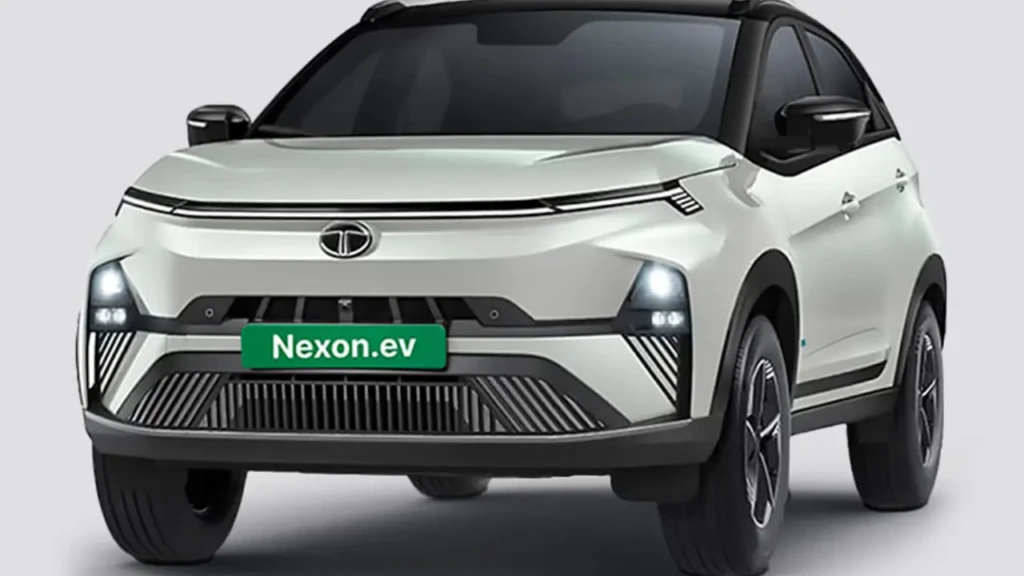
The Tata Nexon EV 45 has a claimed range of 489 km, but real-world testing showed a more practical figure of about 330 km, with Tata’s own practical range expectation sitting around 350-370 km in better conditions.
That means the car delivers a realistic range that is suitable for most daily Indian use, even though it does not match the brochure figure in real traffic.
For buyers, the important takeaway is simple: the Nexon EV is not a fantasy-range EV; it is a usable everyday electric SUV.
Best EVs worth buying
| EV | Why it stands out | Best for |
|---|---|---|
| Tata Nexon EV | Balanced range, strong real-world usability | Family and city buyers |
| Tata Punch EV | Compact, affordable, easy to drive | First-time EV buyers |
| Mahindra XUV400 | Strong road presence, practical range | SUV lovers |
| MG ZS EV | Comfortable and mature package | Highway-leaning users |
| Hyundai Creta Electric | Feature-rich, premium feel | Buyers wanting a familiar SUV |
| Mahindra BE 6 | Modern design and strong EV appeal | Style-focused buyers |
| Tata Curvv EV | Coupe SUV style with EV practicality | Design-conscious families |
Who should buy the Nexon EV
The Nexon EV is a smart choice if you want an EV that feels usable rather than experimental.
Its practical range makes sense for people who drive around the city every day and only occasionally take longer trips.
If you can charge at home or at work, the Nexon EV becomes even easier to live with.
How to judge an EV properly
Do not buy an EV only by claimed range.
Look at real-world range, battery size, charging time, service support, and how comfortably the car handles your daily commute.
A practical EV is one that fits your routine without creating charging stress.
Also Read : Best Electric Cars in India 2026: Top EVs Worth Buying This Year
Final verdict
If your question is specifically about Tata Nexon EV range real world, the honest answer is that the car is far more useful than a small-city EV and can deliver around 330-370 km in practical use depending on the variant and driving style.
That is enough to make it one of the best electric SUVs for Indian buyers in 2026.
For most people, it remains one of the safest EV recommendations because it balances range, size, and daily practicality well.
The Tata Nexon EV 45 has shown around 330 km in real-world testing, while Tata’s practical estimate is around 350-370 km in favorable use.
Yes, it can handle moderate highway drives, but trip planning and charging stops matter more than in petrol cars.
Real-world range is the figure you should trust for buying decisions, because claimed range is measured under ideal conditions.
That depends on budget and use case, but Tata Nexon EV is one of the most balanced choices for overall practicality.
Yes, it is especially well suited to city commuting because EV efficiency is strongest in stop-go traffic.
In mixed use, expect a practical range lower than the brochure figure, with charging habits and speed affecting results.
Compact EVs like the Tata Punch EV are easier for beginners, while Nexon EV is better if you want a more complete SUV package.
Check home charging setup, real-world range, charging speed, service network, and total ownership cost.
0 Reviews