
If you want an SUV that sips fuel in city traffic and you do not care about sporty driving, the Maruti Grand Vitara Hybrid 2026 is one of the smartest choices in India. Real-world mileage is outstanding, features are solid, and ownership costs are low, but the powertrain feels dull compared to turbo rivals, and the cabin is not the most premium in its class.
Why This Review Matters
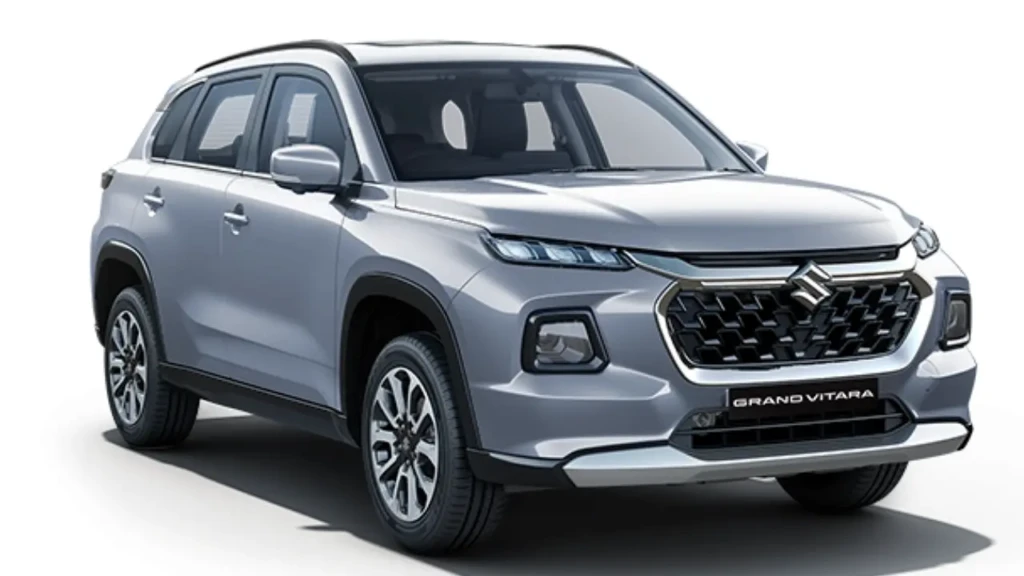
The Grand Vitara Hybrid is one of the first mass-market strong-hybrid SUVs in India, and in 2026 it faces more competition than ever from Korean turbo-petrols, new hybrids, and even electrified SUVs. Buyers want to know:
- Does the hybrid system still deliver real fuel savings?
- Is the driving experience good enough for daily use?
- Are the pros stronger than the cons?
- Is it worth buying over alternatives like Creta, Seltos, or Hyryder?
Engine & Hybrid System
The 2026 Grand Vitara Hybrid uses a 1.5-litre 3-cylinder petrol engine paired with an electric motor and a small lithium-ion battery.
- Combined output: around 116 hp.
- Transmission: e-CVT automatic only for hybrid.
- ARAI mileage claim: close to 28 kmpl.
- Real-world city mileage: around 23–25 kmpl in mixed conditions, based on independent tests.
- Real-world highway mileage: around 20–21 kmpl.
The hybrid system allows the car to run in pure electric mode at low speeds and in stop-go traffic, which is where most of the fuel saving happens.
Real Mileage: City vs Highway
Multiple real-world tests show that the Grand Vitara Hybrid is one of the most fuel-efficient non-EV SUVs you can buy in India.
- In city use, it regularly returns over 23 kmpl, which is far better than most petrol compact SUVs.
- On highways, the advantage shrinks, but it still manages close to 20 kmpl, which is respectable for its class.
If you drive mostly in the city and do a lot of stop-start commuting, the hybrid system pays for itself in fuel savings over time.
Pros
- Class-leading fuel efficiency: Real-world figures are among the best for a petrol SUV in this segment.
- Low running cost: Less fuel consumption means lower monthly fuel bills, especially for city-heavy users.
- Smooth city driving: Electric mode at low speeds makes traffic feel less tiring.
- Good feature list: Touchscreen with connected car tech, multiple airbags, 360-degree camera, ventilated seats on top variants, and Maruti’s widespread service network.
- Strong resale potential: Maruti badge plus hybrid tech should support decent resale value.
Cons
- Dull performance on highways: The 1.5-litre hybrid feels relaxed rather than exciting. Turbo-petrol rivals feel punchier when you want to overtake.
- Engine noise under load: The 3-cylinder engine can sound coarse when the battery is low or when climbing steep inclines.
- Small boot space: The hybrid battery eats into luggage capacity, so the boot is much smaller than many rivals.
- Cabin quality: Materials and finish are good for the price, but they do not feel as premium as Korean competitors.
- No manual option: Hybrid is e-CVT only, which may not suit buyers who prefer a traditional gearbox feel.
Driving Experience
In city traffic, the Grand Vitara Hybrid shines. It feels light, easy to place, and relaxed at low speeds. The electric assist makes起步 smooth and reduces the need for frequent fuel consumption in jams.
On highways and open roads, the story changes. The powertrain prioritises efficiency over excitement. Overtaking is easy enough, but it lacks the urgency and strong mid-range punch of turbo-petrol engines found in rivals. Brakes can feel a bit soft, and the ride leans more towards comfort than sharp handling.
If you enjoy spirited driving, you may find the Grand Vitara Hybrid slightly underwhelming. If you want a relaxed, fuel-focused family SUV, it matches that brief very well.
Interior, Space & Comfort
The cabin is practical and ergonomic, with comfortable seats for front and rear passengers. Features like ventilated seats, wireless charging, and a 360-degree camera add a lot of daily convenience.
Space is adequate for four adults, but the boot is the big compromise in the hybrid version. The battery placement reduces luggage capacity significantly, so large suitcases or multiple bags can become a challenge on long trips.
Safety & Features
Maruti has improved safety in recent years, and the Grand Vitara Hybrid comes with multiple airbags, ABS with EBD, hill-hold assist, rear parking sensors, and a 360-degree camera on higher trims.driver-assist and connected features are modern enough for most buyers, though not as loaded as some Korean rivals in the same price band.
Running Cost & Ownership
- Fuel cost: Much lower than petrol-only rivals, especially in city use.
- Service cost: Maruti’s service network keeps maintenance bills reasonable.
- Battery concerns: The hybrid battery is small and designed for long life, but any replacement will be expensive out of warranty.
- Warranty: Standard Maruti warranty plus specific hybrid component warranty (check exact terms with your dealer).
Grand Vitara Hybrid vs Rivals
- Vs Hyundai Creta / Kia Seltos: Creta and Seltos offer more powerful turbo engines, a more premium cabin, and a better highway feel, but their petrol variants consume significantly more fuel in the city.
- Vs Toyota Hyryder Hybrid: Mechanically very similar, with minor differences in styling, features, and dealer network. Choice often comes down to brand preference and local offers.
- Vs Tata Nexon / Punch EV: EVs give even lower running cost per km, but require charging access and suit a different usage pattern.
Who Should Buy It
Buy the Grand Vitara Hybrid 2026 if:
- Most of your driving is in city traffic.
- You want low fuel bills without going fully electric.
- You value Maruti’s service network and hassle-free ownership.
- You are okay with relaxed performance and a smaller boot.
Avoid it if:
- You love powerful, engaging drives.
- You need a large boot for frequent family trips.
- You want the most premium cabin feel in this price range.
Also Read : Top 5 New Car Launches in India June 2026: Which One Is Worth Waiting For?
Final Verdict
The Maruti Grand Vitara Hybrid 2026 is best described as a smart, fuel-focused family SUV. It is not exciting to drive, and its cabin and boot space are not class-leading, but its real-world mileage, low running cost, and Maruti ownership experience make it a very strong choice for typical Indian buyers.
If your main goal is to save on fuel without dealing with charging, and you mostly drive in the city, the Grand Vitara Hybrid is absolutely worth buying.
In real-world tests, it returns around 23–25 kmpl in the city and about 20–21 kmpl on highways, depending on driving style and traffic.
Yes, if you want low fuel bills and relaxed driving in an SUV body. It is one of the smartest hybrid SUV choices under ₹20 lakh.
Class-leading fuel efficiency, low running cost, smooth city driving, good feature list, and strong service network support.
Dull highway performance, noticeable engine noise under load, small boot space, and a cabin that feels less premium than some Korean rivals.
For city fuel costs, yes. For performance, cabin premium feel, and boot space, Creta petrol is stronger.
Maruti and Toyota’s hybrid systems have a good track record in India, but out-of-warranty battery replacement will be expensive.
Both are very similar mechanically. Choose based on price, dealer support, features, and which brand you prefer locally.
It is comfortable, but the small boot and relaxed performance make it less ideal for frequent long-distance highway travellers compared to some turbo-petrol rivals.
0 Reviews